Pilot conversation series

AI in Human Hands

A Conversation Series for TypeWell Transcribers

A three-session pilot about real-time speech-to-text tools, AI language tools, meaning-for-meaning transcription, communication access, and professional judgment.

Why now

Why this conversation now

Real-time speech-to-text and AI language tools are improving quickly. That makes human expertise, quality, trust, and judgment more important to name clearly.

This pilot creates a practical space to name what is changing, what still requires human expertise, and how TypeWell professionals can think clearly about tools that are improving quickly but still need careful judgment.

What this is

A practical conversation for a changing field

This series creates space for TypeWell transcribers to look carefully at AI tools without hype or panic.

The goal is not to settle the future in advance. The goal is to give experienced practitioners room to compare notes, test assumptions, and describe the human work that remains essential.

01

Built around professional practice

Examples and conversations connect back to real-time speech-to-text work, communication access, and meaning-centered transcription.

02

Small enough for real discussion

Pilot cohorts are intentionally small so participant questions and working experience can shape the conversation.

Questions we'll explore

Grounded questions for TypeWell professionals.

  • Where do AI tools help, and where do they still fail?
  • What does meaning-for-meaning work require from a human professional?
  • How might communication access change as tools improve?
  • What future skills are worth developing now?
  • How do we measure quality in communication access as AI continues to improve?

Workshop themes

Topics for grounded conversation.

01

Real-time speech-to-text tools

Where are these tools useful now, and where do they still break down?

02

AI language tools

What can language tools clarify, distort, or miss in access work?

03

Meaning-for-meaning transcription

What does meaning-for-meaning work require from a human professional?

04

Quality and trust

How do we recognize quality when output looks fluent but may be wrong?

05

Professional expertise

What forms of judgment do experienced transcribers bring that tools cannot replace?

06

Practical AI use beyond transcription

What AI tools beyond automatic transcription may be useful to TypeWell professionals, and how could they be used responsibly?

Three-session overview

A short series with room for reflection.

Each session combines clear framing, applied examples, guided discussion, and participant questions.

  • Three sessionsEach session is 75 minutes on Zoom.
  • Small cohortUp to 12 participants per cohort.
  • Free to join*Optional contributions are welcome if the series is valuable to you.
  1. Session 1 Understanding the Landscape

    What AI can do today, what it cannot do, and where current tools remain uncertain.

  2. Session 2 Human Judgment and Meaning

    Meaning-for-meaning communication, context, trust, and the expertise behind quality access.

  3. Session 3 Looking Ahead

    Practical applications, future skills, participant questions, and next steps.

What this is not

A careful conversation, not a sales pitch.

  • Not a sales pitch for AI tools
  • Not a generic technical training
  • Not a prediction that human transcription is obsolete

Facilitators

Guided by accessibility and communication access experience.

Headshot of Dan Sommer

Facilitator

Dan Sommer

Dan facilitates practical conversations about AI, accessibility, communication, and human-centered technology change. His work connects real-time transcription, captioning, accessibility consulting, AI-assisted workflows, and language-focused communication projects.

Read Dan's full bio
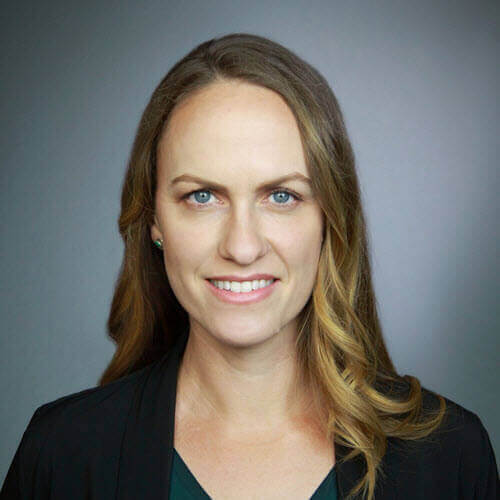
Headshot of Kate Ervin

TypeWell Executive Director

Kate Ervin

Kate began transcribing with TypeWell in 2004 and found purpose in supporting access to learning through real-time communication. Since 2011, she has led TypeWell with a focus on accessibility, thoughtful innovation, and community impact.

Pilot cohort note

Interested in joining the conversation?

Initial pilot cohorts will be small, discussion-centered, and shaped by participant questions.

Join the cohort